
A Queens-first inspection shaped by the building in front of us
A brick multifamily in Astoria is not inspected like a detached colonial in Bayside, a garden co-op in Forest Hills or a coastal house in Rockaway. The roof form, shared systems, basement access and moisture risks all change from block to block. Daren Koniuk is a New York State licensed home inspector. Walk the property with him, ask questions as you go and get a plain-English explanation of the accessible systems and conditions that matter to your purchase.
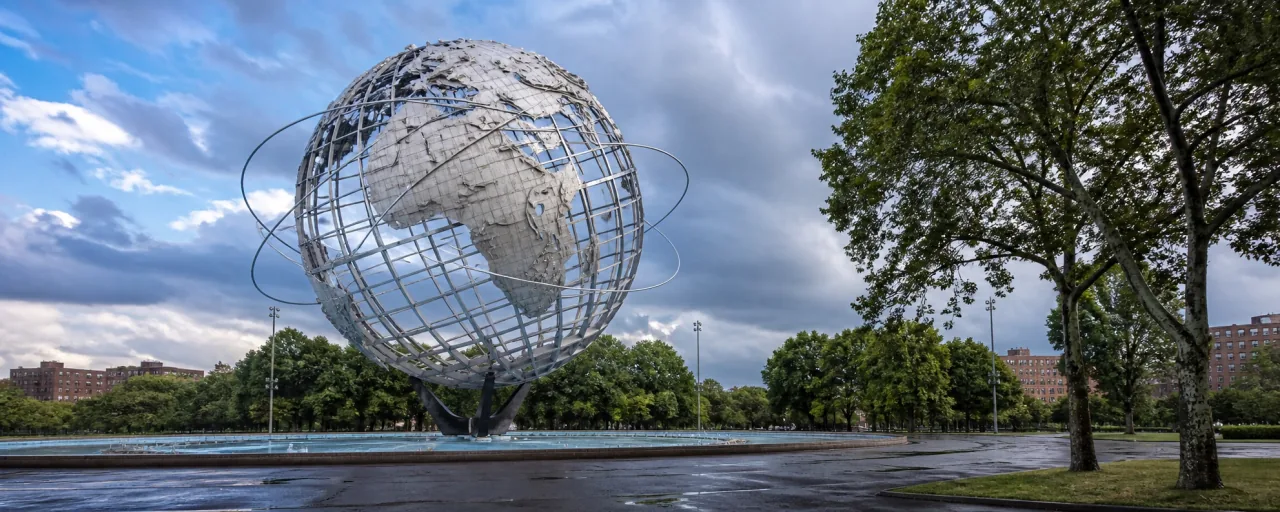
The inspection changes with the block.
Every Queens neighborhood has distinct architectural eras, shared utilities, and moisture risks. We inspect for the exact structural traits in front of us.
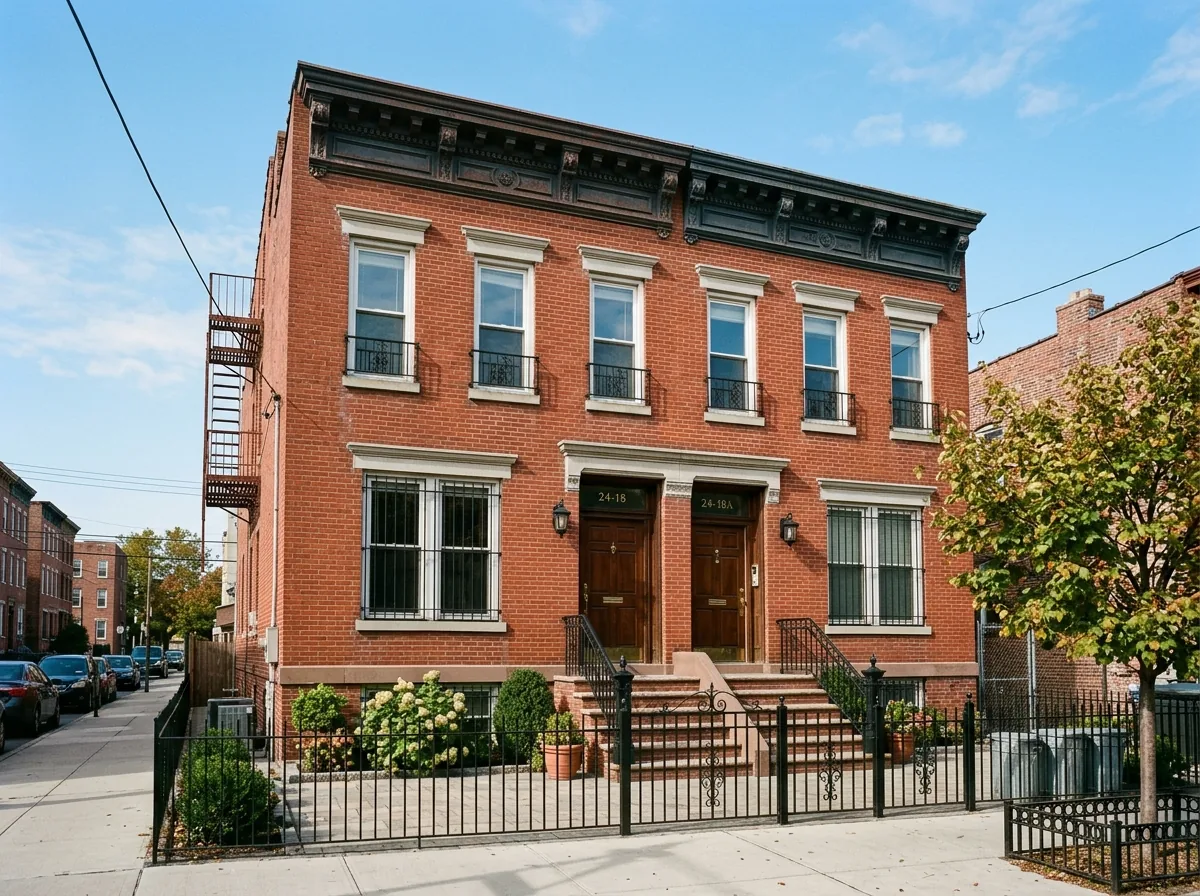
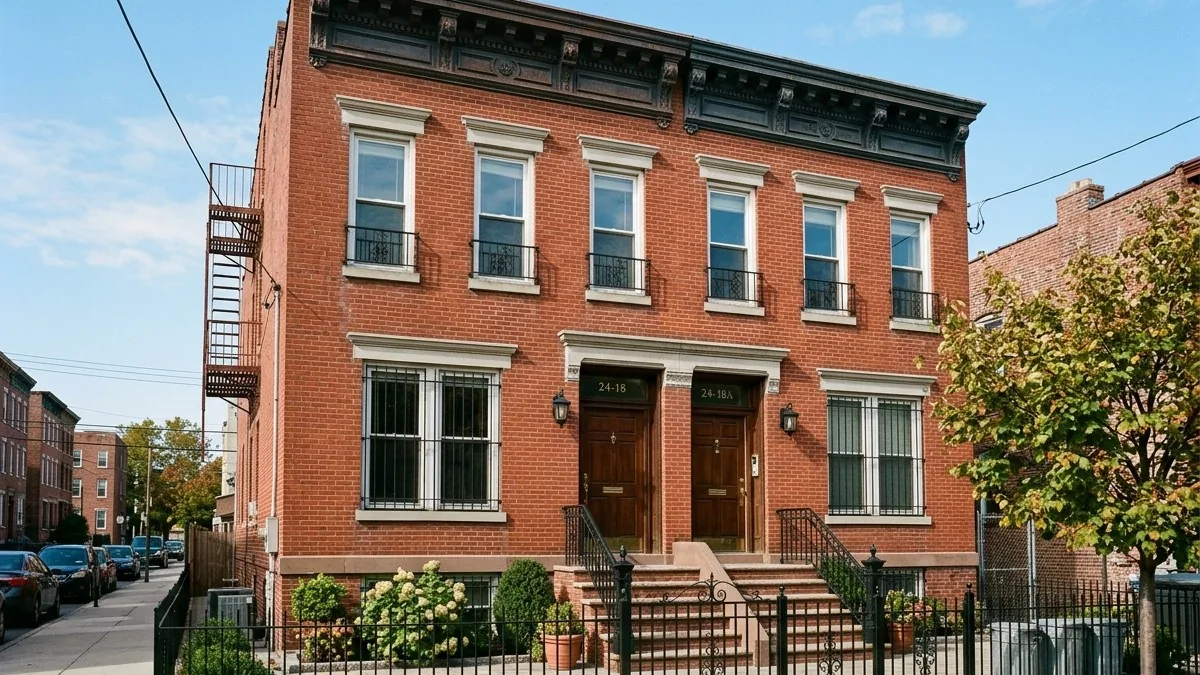
Western Queens
Typical: Brick 2-4 family homes, attached row houses and modern condos
Focus: Flat roofs, parapets, shared walls, split electrical meters, cellar entries, and drainage scuppers.
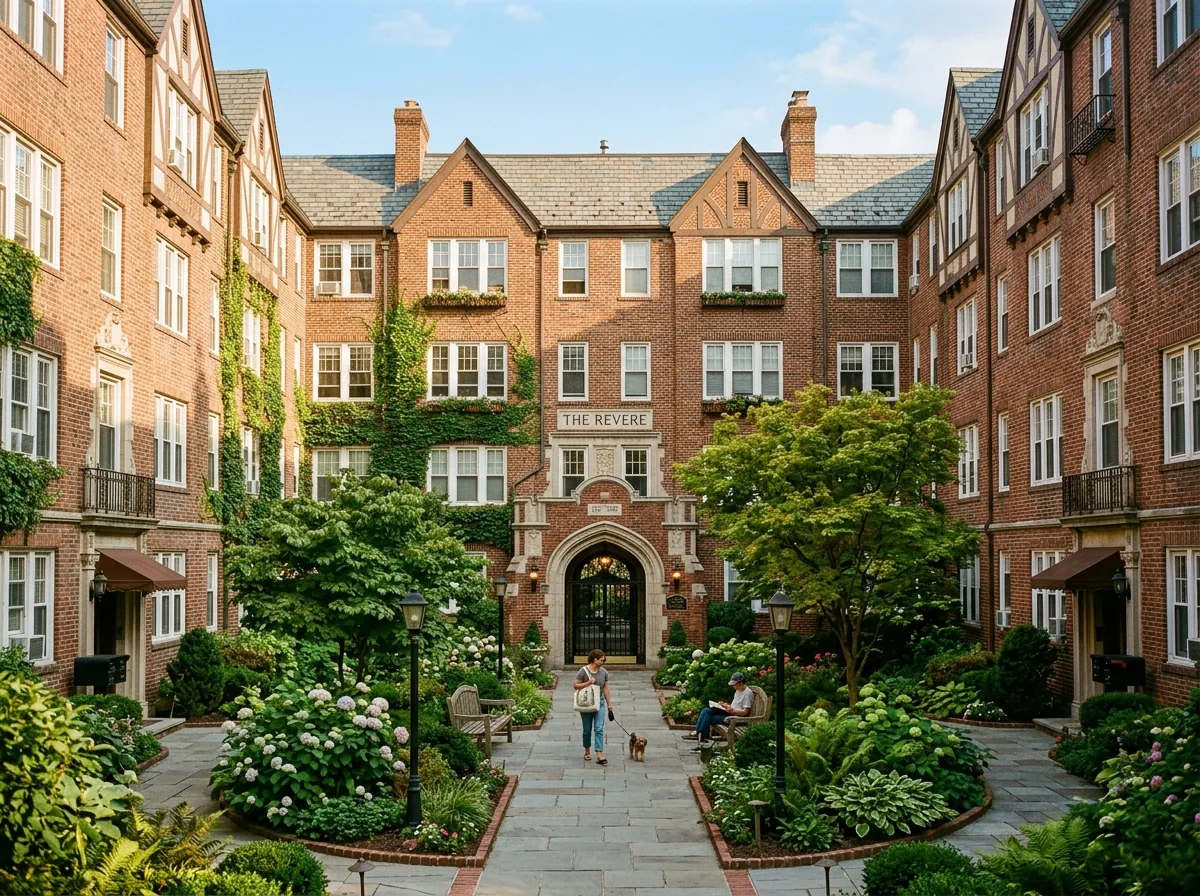
Central Queens
Typical: Pre-war garden co-ops, Tudor townhouses and masonry multifamily complexes
Focus: Steam boilers, radiator valves, visible plumbing and electrical components, and building envelope condition.
Eastern Queens
Typical: Detached colonials, capes, ranches and mixed-age residential additions
Focus: Attics, full basements, roof transitions, grading, exterior drainage and accessible mechanical systems.
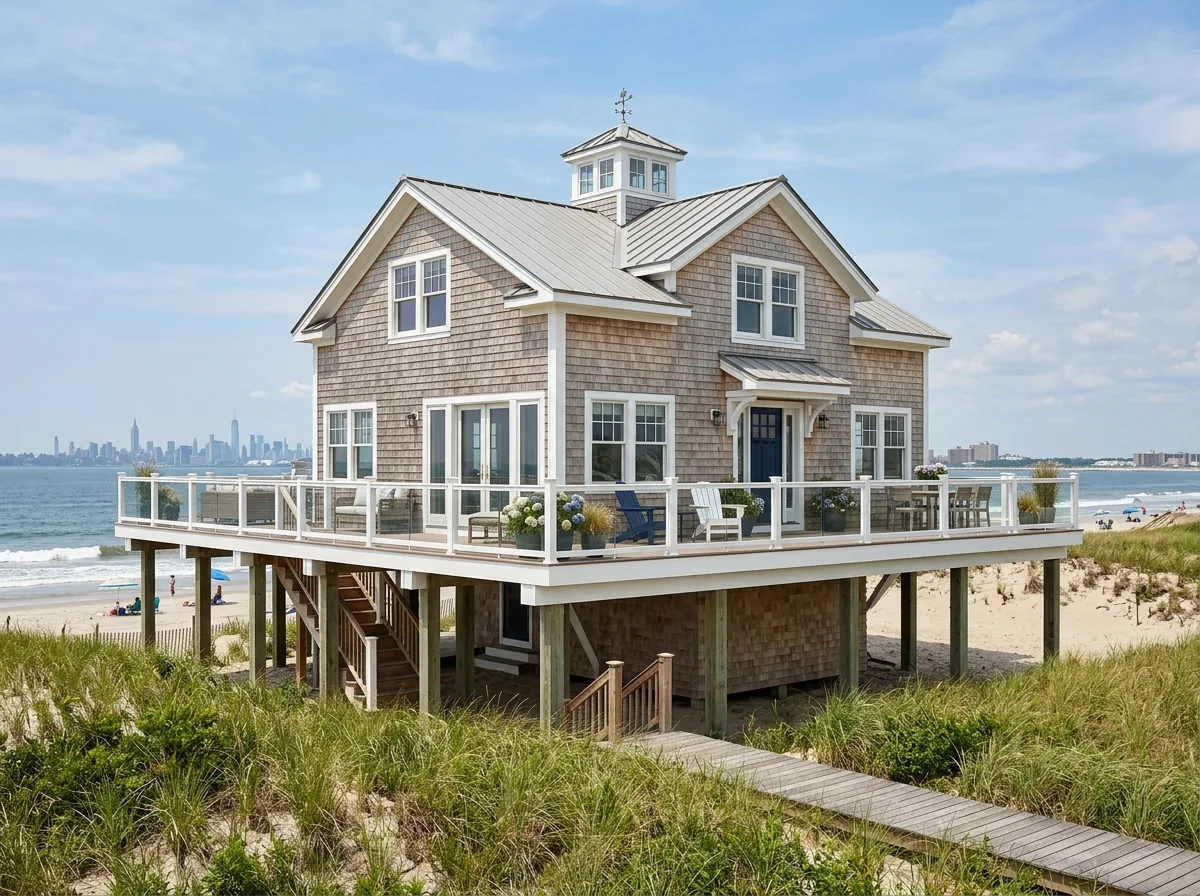
South Queens and the Rockaways
Typical: Detached homes, compact bungalows, raised pilings and coastal housing
Focus: Crawlspaces, foundation pilings, storm drainage, weather-exposed materials and high-water-table seepage.
Common does not mean harmless.
These conditions frequently appear in Queens housing, but no defect is assumed until we inspect. We document visible symptoms, explain safety hazards in plain English, and provide clear repair cost risk ranges.
Explore All Serious Defects →Basement & Cellar Conversions
Risk: $10,000–$30,000+Improper kitchen or bath hookups, inadequate fire egress, and substandard electrical wiring in converted basement living spaces.
Flat Roof & Parapet Water Intrusion
Risk: $8,000–$25,000Deteriorated roof membranes, failing flashing, and blocked drainage scuppers causing hidden ceiling moisture damage.
Aging Cast Iron & Galvanized Plumbing
Risk: $5,000–$15,000Corroded waste stacks, restricted domestic water supply lines, and slow drainage between floors.
Outdated Electrical Service Panels
Risk: $4,000–$12,00060-amp to 100-amp panels with double-tapped breakers, ungrounded branch circuits, and active knob-and-tube remnants.
Communities served across Queens
Direct inspector service throughout all neighborhoods in Queens: