NYS LICENSED HOME INSPECTOR — LIC. #16000009862 SERVING QUEENS — 718-208-7092 • ANSWERED 24/7

Serious defects hiding behind fresh paint

Cosmetic home flips in Queens and NYC often conceal thousands of dollars in hidden hazards. Here is what we look for during an inspection, what causes each condition, and the real repair costs involved.

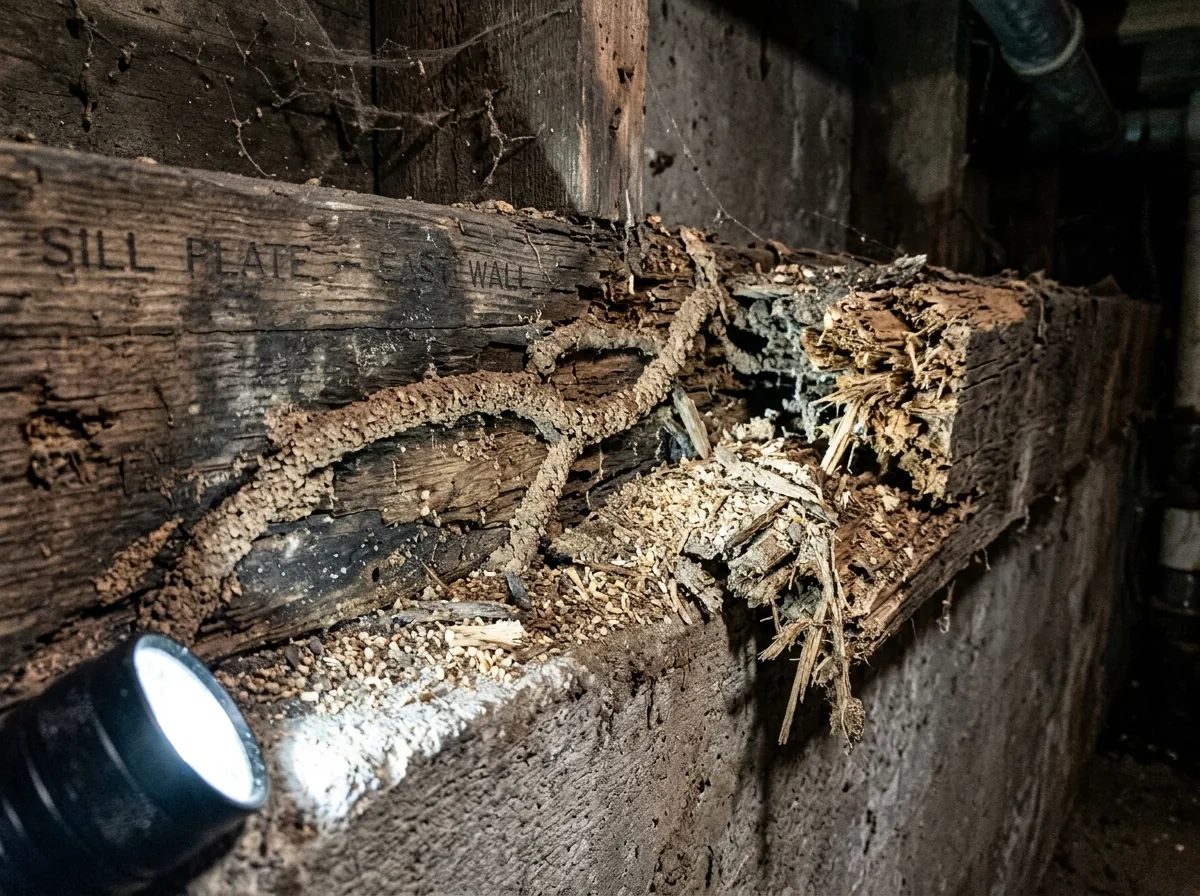
Subterranean Termites & Wood Rot found during a Queens home inspection Structural Risk

Subterranean Termites & Wood Rot

REPAIR RISK: $3,500 – $15,000+
Queens Field Context: Common in pre-war Astoria & Ridgewood sill plates, damp wood-to-ground contact, and basement framing.

Wood-destroying insects and other organisms can cause serious problems in the wooden structural components of a house, and may go undetected for a long period of time.

Subterranean termites are the most damaging insects of wood. Their presence is hard to notice, and damage usually is found before the termites are seen. Prevent infestations because if they occur, they will almost always need professional pest-control service.

Generally, the first sign of infestation is the presence of swarming termites on the window or near indoor light. If they are found inside the house, it almost always means that they have infested. Other signs include termite wings on window sills or in cobwebs, and shelter tubes — tunnels constructed by the termites from soil, wood and debris. Anywhere wood touches soil is a possible entry into a home for termites. Examine wood which sounds dull or hollow when struck by a screwdriver or hammer.

If you see sawdust-like droppings, discarded wings, mud tubes on foundation walls, or hollow-sounding framing, you might have termites. Eligible paid single- and multi-family inspections include a termite inspection and report by a qualified licensed termite inspector.
DOCUMENTED ON NYS S.O.P. FIELD REPORT Request Inspection →
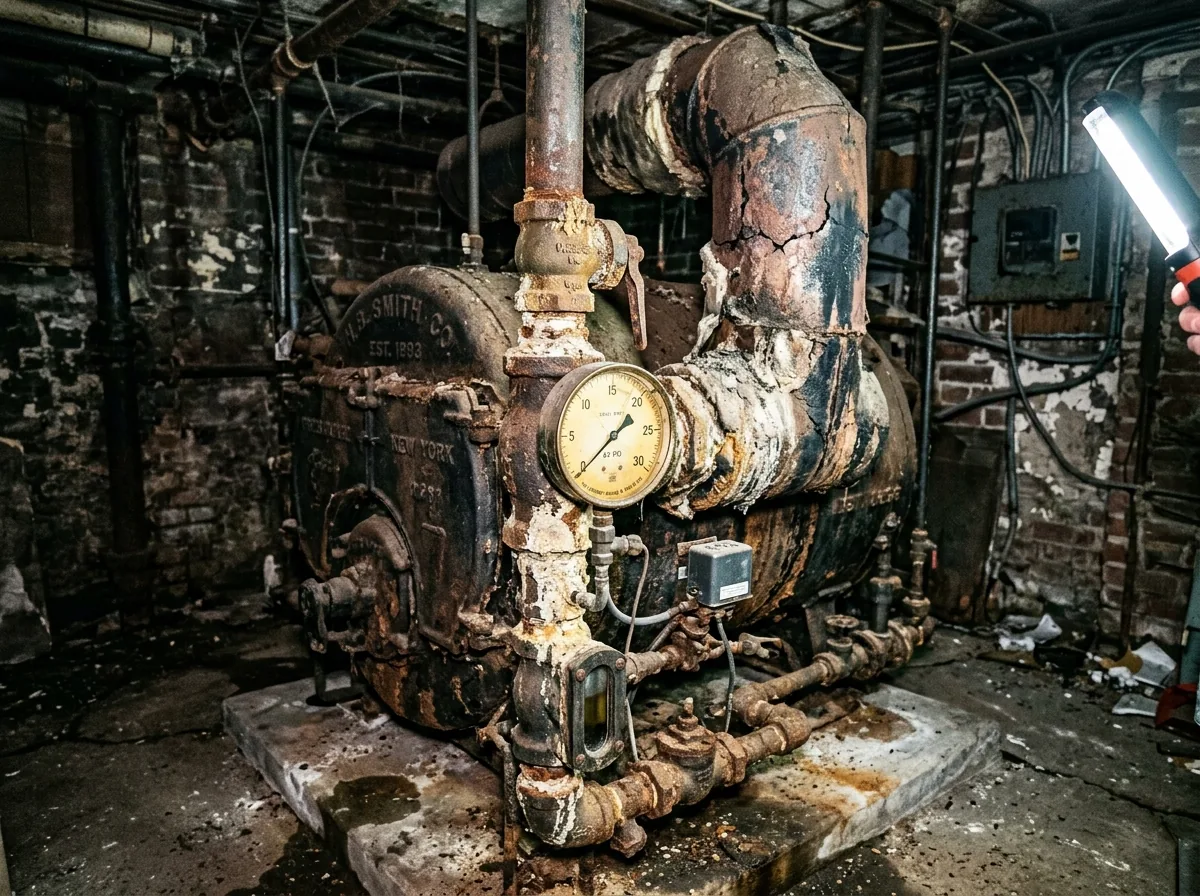
Asbestos Pipe Wrap & Boiler Insulation found during a Queens home inspection Health Hazard

Asbestos Pipe Wrap & Boiler Insulation

REPAIR RISK: $4,000 – $18,000+
Queens Field Context: Prevalent on vintage steam boiler jacket insulation and radiator pipe risers in older Queens cellars.

Asbestos is a mineral fiber that can be positively identified only with a special type of microscope. In the past, asbestos was added to a variety of products to strengthen them and to provide heat insulation and fire resistance.

Breathing high levels of asbestos fibers can lead to an increased risk of lung cancer, mesothelioma (a cancer of the lining of the chest and the abdominal cavity), and asbestosis, in which the lungs become scarred with fibrous tissue. The symptoms of these diseases do not usually appear until about 20 to 30 years after the first exposure.

Most people exposed to small amounts of asbestos, as we all are in our daily lives, do not develop these health problems. However, if disturbed, asbestos material may release fibers that can be inhaled into the lungs. Material that would crumble easily if handled, or that has been sawed, scraped, or sanded into a powder, is more likely to create a health hazard.

In older Queens and Brooklyn homes, asbestos can be found around steam heating systems, boiler insulation, duct wrap, older floor tiles, and roofing products. Where damage or deterioration is suspected, leave the material alone and have it evaluated by a qualified professional.

DOCUMENTED ON NYS S.O.P. FIELD REPORT Request Inspection →
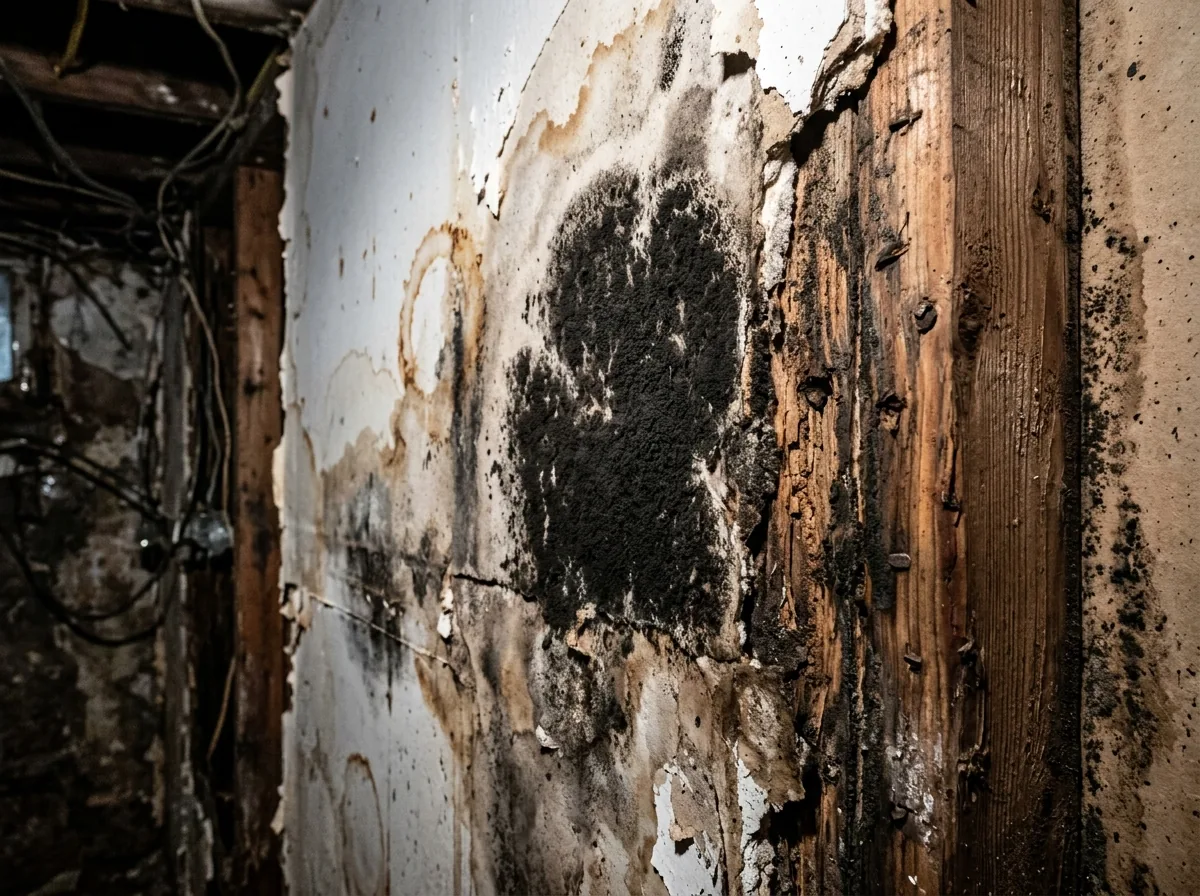
Mold & Sub-Grade Cellar Moisture found during a Queens home inspection Moisture & Health

Mold & Sub-Grade Cellar Moisture

REPAIR RISK: $3,000 – $10,000+
Queens Field Context: High water tables in South Queens and foundation seepage behind finished basement drywall.

The key to mold control is moisture control. If mold is a problem in your home, you should clean up the mold promptly and fix the water problem. It is important to dry water-damaged areas and items within 24 to 48 hours to prevent mold growth.

Molds are part of the natural environment. Outdoors, molds play a part in nature by breaking down dead organic matter. But indoors, mold growth should be avoided. Molds reproduce by means of tiny spores that float through outdoor and indoor air; mold may begin growing indoors when spores land on surfaces that are wet. There are many types of mold, and none of them will grow without water or moisture.

Potential health effects and symptoms associated with mold exposures include allergic reactions, asthma, and other respiratory complaints. Mold may be concealed behind finishes, so suspected growth or moisture conditions can require evaluation and testing by a qualified professional.

DOCUMENTED ON NYS S.O.P. FIELD REPORT Request Inspection →
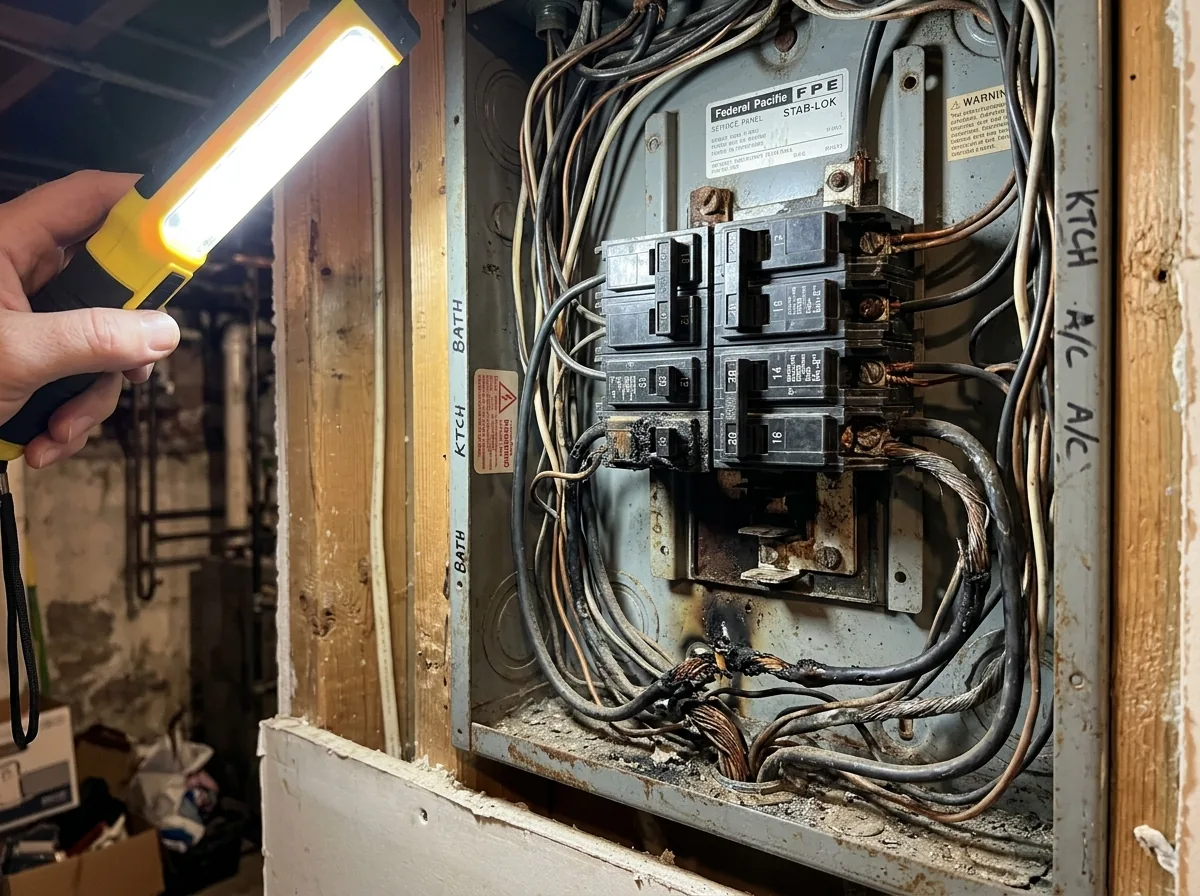
Knob & Tube / Unbonded Electrical Systems found during a Queens home inspection Fire Hazard

Knob & Tube / Unbonded Electrical Systems

REPAIR RISK: $4,500 – $14,000+
Queens Field Context: Unbonded wiring, obsolete fuse blocks, and double-tapped 60A/100A panels in early-century Queens housing.

Knob-and-tube (K&T) wiring was an early standardized method of electrical wiring in buildings, in common use in North America from about 1880 to the 1940s. The system is considered obsolete and can be a safety hazard, although some of the fear associated with it is undeserved.

It is not inherently dangerous. The dangers from this system arise from its age, improper modifications, and situations where building insulation envelops the wires. It has no ground wire and thus cannot service any three-pronged appliances.

K&T wiring can still be found in older New York housing. Visible components, unsafe modifications and the absence of equipment grounding should be evaluated during the inspection, with specialist follow-up when appropriate.

DOCUMENTED ON NYS S.O.P. FIELD REPORT Request Inspection →
1,700-POINT INSPECTION • NYS LICENSED #16000009862

Over 1,700 points, checked from roof to cellar.

We check the whole house from top to bottom. Every major system is tested on site and explained in plain English, with photos delivered the next day.

1,700+ Points Checked
10 Systems Roof to Cellar
2.5 to 3.5 hrs Thorough Inspection
Next Day Report with Photos
HOUSE CROSS-SECTION
SYSTEMS CROSS-SECTION // QUEENS RESIDENTIAL SPECIFICATION SPEC: 1,700-PT +32'0" ROOF +24'0" ATTIC +14'0" LVL 2 +2'0" LVL 1 -8'6" CELLAR A/C HEAD CONDENSER BOILER WATER HEATER 100A 100A ZONE 01 // ROOF & GUTTERS (220 PTS) 01 02 03 04 05 06 07 08 09 10
Zone 01: Roof, Parapets & Gutters • 220 Points
NYS Lic. #16000009862 • InterNACHI
Roof Level (+32') • ZONE 01

Roof, Parapets & Gutters

220 CHECKPOINTS
HOW WE TEST • Moisture Meter We walk the roof, check coping stones for cracks, inspect roof seams, and make sure drains and gutters flow freely.
What We Check:
Roof Coping Stones & Mortar Flat Roof Seams & Flashing Drainage Scuppers & Downspouts Chimney Brickwork & Caps Skylights & Rubber Seals Roof Penetrations & Pipe Boots Gravel Stop Metal Edges Roof Beams & Plywood Decking
COMMON QUEENS ISSUE

Water easily leaks behind cracked parapet stones on Queens flat roofs, rotting support beams long before ceiling stains appear inside.

Part of 1,700-Point Inspection 220 / 1,700 Points (12.9%)
Buying a home in Queens?
Call directly to check Daren's schedule. Appointments available 7 days a week.
Call 718-208-7092
FREE TERMITE REPORT • 100% SATISFACTION GUARANTEE

Ready to inspect your Queens property?

Direct independent inspector access. Schedule your appointment today and receive your photo-documented report the next day.

Direct Inspector Call • 718-208-7092